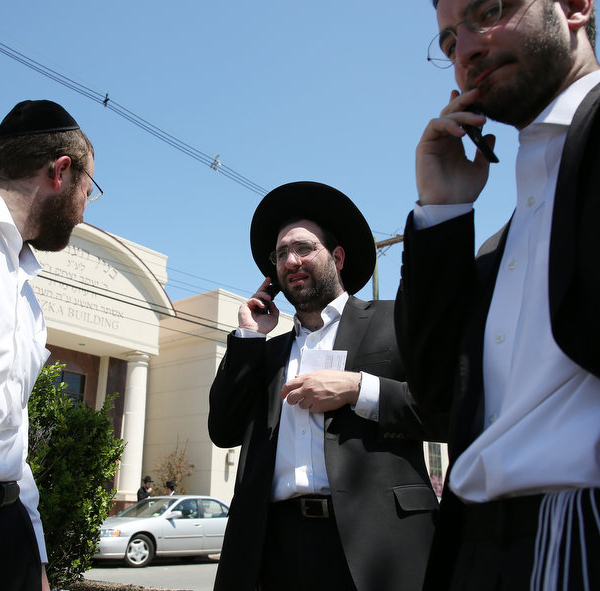
One of the great pleasures of spending time in Lakewood is that you’re never far from a minyan. This is a town where shuls are as common as pizza shops, where you can find a mincha minyan at practically any hour, and where a visitor davening in a new shul is about as remarkable as rain in April. Still, “there’s a shul nearby” and “I know exactly where I’m davening tomorrow morning” are two different things — and a little homework before your trip makes all the difference.
Why Lakewood is a minyan paradise
Let’s start with the good news: Lakewood has one of the densest concentrations of shuls anywhere in the world. From large established shuls to small shtieblach tucked into converted houses, from Ashkenaz to Sefard to Chassidish minyanim, the variety is enormous. Shacharis minyanim run from early-morning vasikin through mid-morning; mincha and maariv minyanim cycle through the afternoon and evening. For a visitor, this means flexibility that most towns simply can’t offer.
But density isn’t the same as familiarity. When you’re home, you know your shul’s schedule by heart. Away, you need a plan — especially for Shabbos, when you can’t exactly pull out your phone to look things up.
Before you book: ask the host
This is the step people skip, and it’s the most valuable one. When you’re considering a rental, ask the host:
- Which shuls are within comfortable walking distance?
- What’s the nusach of the nearest options?
- Is there a minyan that meets particularly early or late, if your schedule needs it?
A knowledgeable local host can save you an hour of research. They know which shtiebel around the corner has a 7:15 Shabbos shacharis and which big shul is a pleasant ten-minute walk. At LakewoodHosts, our team lives here and davens here — when guests ask about minyanim near a particular villa, we answer from experience, not from a map.
Finding weekday minyanim
For weekdays, you have excellent tools:
- Minyan-finding apps and websites list Lakewood minyanim with times. Check them the night before or morning-of for the most current schedules.
- Zmanim awareness matters. In the summer, plag mincha minyanim are everywhere; in the winter, you’ll want to know exactly when shkia is so you don’t miss mincha. Print or screenshot the week’s zmanim before Shabbos and keep a weekday zmanim app handy during the week.
- Ask at the shul. Walk in a few minutes early, introduce yourself as a visitor, and ask about the week’s schedule. You’ll usually get a warm welcome and sometimes an aliyah.
One practical tip: during bein hazmanim and other yeshiva breaks, some smaller minyanim shift their schedules or pause. If you’re visiting during those times, double-check rather than assuming.
Shabbos minyanim: plan ahead
Shabbos requires advance planning since you can’t look anything up once it starts. Before licht benching on Friday:
- Identify your Shabbos shul and its davening times (Kabbalas Shabbos, Shabbos morning, mincha).
- Walk the route once on Friday afternoon if it’s unfamiliar — check for the eruv, note landmarks, time the walk.
- Know the backup: the second-nearest minyan, in case you misjudge the time.
If you’re particular about nusach, confirm it in advance. Lakewood has minyanim for every nusach, but they’re not evenly distributed — knowing that the closest shul davens a different nusach than yours saves an awkward Friday night.
Davening with kids
If you’re bringing young children to shul, a few Lakewood-specific notes: many shuls have active children’s groups on Shabbos morning — ask the gabbai. Weekday minyanim are generally shorter and more businesslike; Shabbos davening is longer and more social. And the walk to shul on a beautiful Shabbos morning, kids in tow, past other families doing the same thing — that’s one of the genuine pleasures of a Lakewood Shabbos. Build in extra time. Nobody minds a family that arrives a few minutes early.
The unwritten rules for visitors
Lakewood shuls are welcoming, but a little etiquette goes a long way:
- Don’t take someone’s regular seat (makom kavua) — if the shul is full, ask the gabbai where visitors should sit.
- Follow the shul’s customs for the amidah, leining pace, and announcements.
- If you’re called for an aliyah, it’s customary in many shuls to make a small donation (matnas yad).
- Introduce yourself. “We’re visiting for the week, staying nearby” opens doors — sometimes literally, to a Shabbos meal invitation.
Making it part of the vacation
Here’s something visitors often discover: the minyan becomes a highlight, not a chore. There’s something special about davening shacharis in a packed Lakewood shul on a Tuesday morning, grabbing a coffee afterward, and feeling — for a week — like a local. Ask your host for recommendations, try a different minyan each day, and don’t be shy about striking up conversations. The Lakewood community is used to visitors, and most people are happy to help a guest feel at home.
When you’re choosing your villa, put “walking distance to shul” near the top of your criteria — right up there with kitchen setup and bedroom count. A beautiful rental that’s a 25-minute walk from the nearest minyan will shape your whole trip differently than one where you can hear the chazzan from the porch. It’s one of the first things we help guests think through at LakewoodHosts, because getting the location right makes everything else easier.