
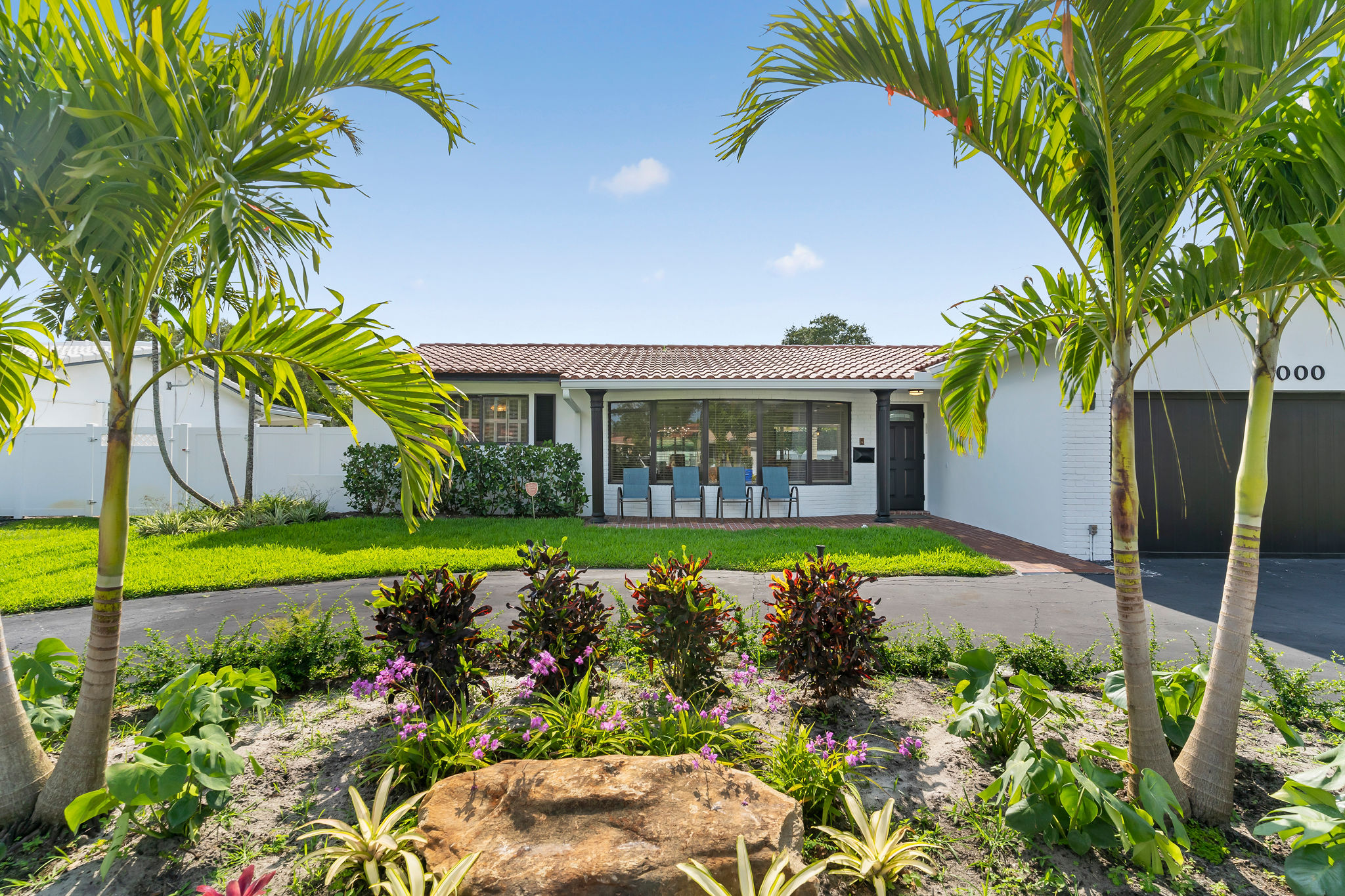
Tisha B’Av on vacation is a strange thing. The sun is shining, the villa’s yard is green, the kids want to swim — and the calendar says it’s the saddest day of the year. For a frum mishpacha spending the summer in Lakewood, the fast day arrives right in the middle of vacation season, and it deserves better than being endured or ignored.
Lakewood is actually a beautiful place to spend Tisha B’Av. The minyanim are everywhere, the kinusim are serious and well-attended, and a villa — quiet, private, with room to spread out — is a far better base for the day than a hotel room. Here’s how to do it right.
Before the fast: prepare the house
Tisha B’Av starts the evening before, and preparation makes the whole day calmer:
- Eat the seudah hamafsekes thoughtfully. A real meal, eaten calmly, with enough time before the fast begins. Keep it simple — this isn’t the meal to experiment with. Drink plenty of water in the hours before.
- Set up the house for a low day. Lay out low chairs or cushions (no sitting on regular chairs until chatzos, per the halachos — confirm your family’s practice with your rav). Put seforim where you’ll want them: kinusim, Tehillim, a Chumash with Eichah.
- Charge devices and set expectations. If the kids will have quiet activities, have them ready. If you’re streaming shiurim, test the wifi the night before.
- Prepare the kids’ food in advance. Children who aren’t fasting still need to eat, and you won’t feel like cooking. Have simple, ready food available — cereal, fruit, sandwiches made the night before.
Where to daven: Lakewood’s advantage
This is where being in Lakewood shines. On Tisha B’Av, the town’s shuls fill with minyanim for Shacharis with kinusim, and the options are extraordinary:
- Your nearest shul will almost certainly have the full program — Shacharis, Eichah the night before, kinusim through the morning. Ask your host which shul the neighborhood uses; in Lakewood, there’s always one within walking distance.
- Major kinusim and shiurim. Lakewood’s yeshivos and rabbanim give some of the most powerful Tisha B’Av shiurim anywhere. Ask around — the programs are well publicized in shul and in the local publications the week before.
- Eichah at night. The evening service, with the lights low and the mournful trop, sets the tone for the whole fast. Don’t skip it — even with little kids, even if you’re tired from the seudah. It’s the doorway into the day.
If you’re unsure where to go, ask your villa host. Lakewood rental hosts get this question every summer and usually have a ready answer with times and walking directions.
The daytime hours: structuring the quiet
The hardest part of Tisha B’Av with a family isn’t the fasting — it’s the long, quiet hours, especially with children. Structure is everything:
- Morning: shul. Get everyone to Shacharis and at least part of the kinusim. Even young children absorb the atmosphere — the low voices, the floor-sitting, the seriousness. It’s chinuch by osmosis.
- Midday: quiet learning and rest. This is what the villa is for. Tehillim, a sefer, a shiur (live or recorded). Nap if you need to — resting on a fast day is not laziness, it’s wisdom.
- Afternoon: the mood lifts slightly. After chatzos, the restrictions ease. Take a quiet walk. Sit outside. Let the kids play calmly in the yard.
- Avoid the trap of “just getting through it.” The day has a purpose — aveilus, reflection, tefillah. Even an hour of genuine kinusim with understanding is worth more than six hours of distracted sitting.
Keeping kids occupied — quietly
Children below chinuch age for fasting still need a full day of activity, minus all the normal fun stuff. The villa is your greatest asset here:
- Quiet indoor activities: coloring (bring Tisha B’Av-appropriate pages — the Beis Hamikdash, the Kosel), puzzles, building toys, reading. Set up a “quiet corner” with their things.
- Calm outdoor time: the yard, a walk around the block, sitting on the porch. Fresh air without the beach or the pool (swimming is out — plan for this in advance so it’s not a surprise).
- Chinuch moments: for older children, explain what’s happening in age-appropriate terms. Read them stories of the Churban. Let them see you saying kinusim — children learn aveilus the way they learn everything else, by watching.
- No screens as a default. It’s tempting to park the kids in front of a device all day. A little is fine; all day teaches them the day is just boring rather than meaningful. Mix it up.
The villa as a calm base
Here’s what makes a villa better than any other vacation lodging for Tisha B’Av:
- Privacy. No hotel lobby, no pool scene to avoid, no dining room to navigate. Your family, your space, your pace.
- Room to spread out. Someone saying Tehillim in the living room, someone napping upstairs, kids playing quietly in the den — everyone gets the space they need.
- Your own kitchen. Breaking the fast at home, with food you prepared, at your own table — no restaurant logistics, no lines, no stress.
- Outdoor space. A porch or yard for quiet sitting when the house feels close. Some of the most meaningful Tisha B’Av hours are spent outside with a sefer.
Breaking the fast
Plan the break-fast before the fast starts. Something easy, comforting, and ready: eggs, tuna, pasta, soup, fresh bread, watermelon, drinks. Eat slowly. Drink first.
A day that fits the summer
Tisha B’Av in the middle of a Lakewood vacation doesn’t have to feel like an interruption. Done right, it becomes one of the most meaningful days of the summer — the day the family slowed down together, davened together, and remembered together what we’re waiting for.
The villa goes back to vacation mode the next morning — the grill, the yard, the Shore trips. But something from the quiet day stays. That’s exactly how it’s supposed to work.

