Here’s a truth every parent learns eventually: kids don’t know they’re on vacation. You can change the scenery, the beds, and the entire state — but a three-year-old still needs lunch at noon and a seven-year-old still melts down at 9 PM if bedtime slides too far. The families who enjoy their Lakewood getaways the most aren’t the ones with the most activities planned. They’re the ones who kept the routines that matter and let go of the ones that don’t.
Why routines matter more away from home
At home, routine is invisible infrastructure. The kids know what comes next, which means fewer decisions, fewer negotiations, fewer meltdowns. On vacation, all of that scaffolding disappears at once: new beds, new rooms, new sounds, no school schedule, parents slightly off their game. No wonder the first 24 hours can feel rocky.
The fix isn’t to replicate home exactly — it’s to preserve the load-bearing routines (sleep, meals, some downtime) while staying flexible about everything else.
Sleep: the non-negotiable
If you protect one routine, make it sleep. An overtired child can undo the loveliest vacation day in twenty minutes.
- Keep bedtimes close to normal, especially the first few nights. You can drift later as the week goes on and everyone adjusts.
- Recreate the sleep environment. Bring the lovey, the special blanket, the white-noise app on an old phone. Familiar sensory cues tell a child’s brain it’s sleep time even in a strange room.
- Room assignments matter. Put the light sleepers away from the living area. If the villa has a basement playroom, that’s where the older kids can stay up — not in the room next to the baby.
- Blackout solutions. Rental bedrooms often have sheer curtains. Pack a few large black trash bags and painter’s tape — five minutes of work buys you an extra hour of morning sleep. (Remove them at checkout, obviously.)
Meals: anchor the day
Kids regulate around meals. Even if lunch is sandwiches by the pool instead of the usual routine, keeping roughly consistent mealtimes prevents the blood-sugar crashes that masquerade as bad behavior.
- Breakfast first, adventure second. Feed everyone before heading out. A hungry kid at 10 AM is a problem no attraction can fix.
- Keep one meal sacred. Many families make dinner the anchor: everyone home, everyone at the table, same time each night. It gives the day shape.
- Snack strategy. Pack a dedicated snack bag for outings — fruit, crackers, cheese sticks. Lakewood’s kosher stores make restocking easy, so don’t overpack from home.
- Involve the kids. Let them pick a dinner one night, help set the table, choose the bedtime story. Ownership reduces resistance.
Downtime is not wasted time
The biggest mistake families make on vacation is overscheduling. Kids — especially younger ones — need unstructured time to decompress. A villa with a backyard, a playroom, or even just a living room with floor space is worth more than a third day trip.
Build a daily rest period into the schedule, even for kids who’ve outgrown naps. “Quiet time” from 2 to 3:30 — books, coloring, tablets, whatever — recharges everyone, parents included. You’ll enjoy the afternoon activity twice as much.
Bedtime routines, portable edition
Whatever your bedtime routine is at home — bath, story, shema, song — do the same thing in the rental, in the same order. The familiarity is the point. These small rituals tell your children that everything is okay, even though the walls are different.
For Shabbos: keep Friday night and Shabbos day rhythms close to home. Same zemiros, same pacing. The rental’s dining room becomes your dining room for the week.
When routines break (and they will)
Someone will get sick. A day trip will run long. Bedtime will slide two hours and you’ll all survive. The goal isn’t perfection — it’s a general shape to the days that keeps everyone functional. When things go sideways:
- Don’t try to “make up” lost sleep by skipping naps — it backfires
- A calm parent resets faster than a perfect schedule
- One rough day doesn’t ruin the trip; two good days erase it
Siblings and space
Vacation concentrates sibling dynamics. Kids who get along fine at home (with school and friends as buffers) may grate on each other in a rental. A few things help:
- Separate spaces. A villa with multiple living areas is genuinely worth it — kids need to be apart sometimes.
- Individual outings. Take one child on an errand alone. Fifteen minutes of solo parent time works wonders.
- Don’t referee everything. Some squabbling is normal. Intervene for safety and cruelty, not for every “he’s looking at me.”
The parents’ routine too
Here’s the part nobody talks about: parents need routine as well. If you’re running on fumes, the kids feel it. Protect something for yourselves — morning coffee before the kids wake, an evening walk after bedtime, ten minutes of quiet with a sefer. A villa with outdoor space makes this easy: the kids sleep inside, you sit on the porch. You’re still on vacation too.
Choosing a rental with routines in mind
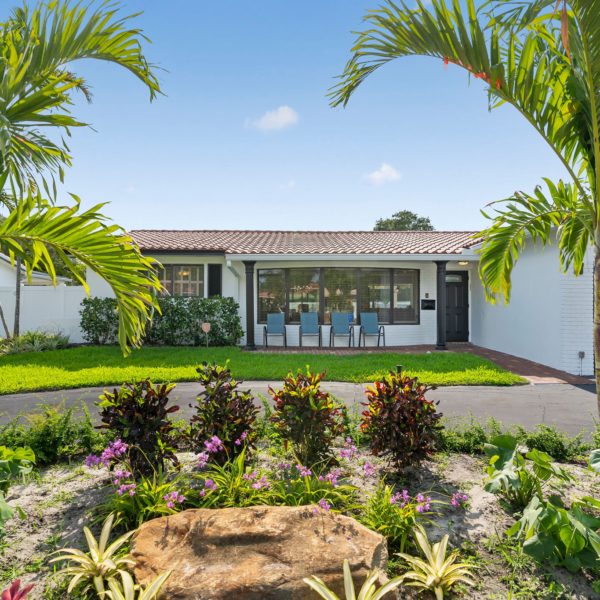
This is where the property itself does half the work. When you’re browsing villas, think in terms of routine infrastructure: enough bedrooms that sleep isn’t a puzzle, a kitchen that lets you keep mealtimes normal, outdoor space for burning energy, a living room big enough for the whole mishpacha to be together without being on top of each other. Those aren’t luxury features — they’re the difference between a vacation that restores you and one you need a vacation from.
The LakewoodHosts team thinks about this stuff because we’ve watched hundreds of families do it. When you tell us the ages of your kids and what your days usually look like, we can point you to the villas where your routines will fit most naturally. That’s the whole idea — a vacation that feels like a break, not a disruption.